In short
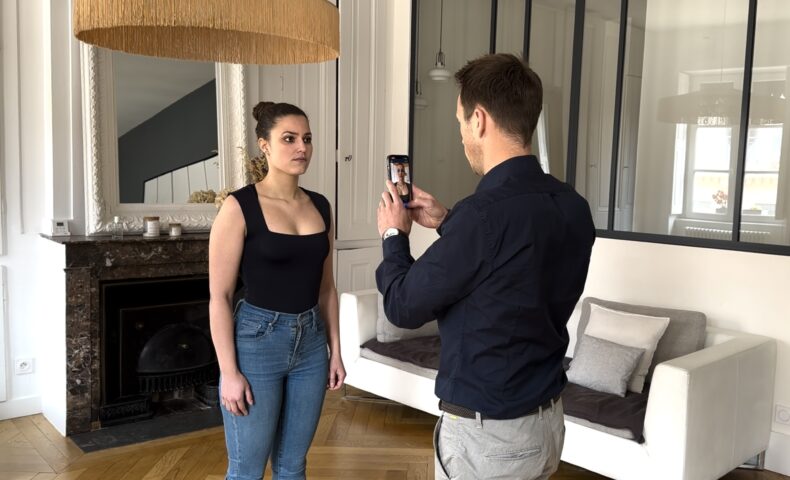
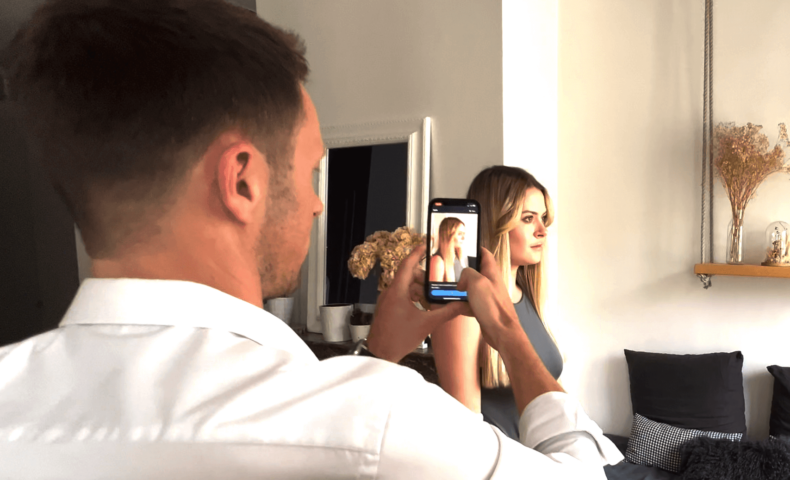
A 3D wrist scan captures wrist morphology directly from a smartphone, using MyFit mobile photogrammetry, with no plaster casting or manual measurement required. This capture supports the design of custom wrist orthoses: the resulting 3D model can be used in CAD software, then for 3D printing or machining the final device.
A 3D wrist scan makes it possible to capture wrist morphology with precision. It can be used to obtain digital measurements, generate a usable 3D model or prepare the design of a wrist orthosis.
With mobile 3D scanning, this capture becomes easier to deploy. From a smartphone, professionals can scan the wrist without traditional molding or complex equipment.
In this article, discover how a 3D wrist scan helps make measurement, 3D modeling and the creation of orthoses more reliable and easier to integrate into patient-specific workflows.
What is a wrist orthosis?
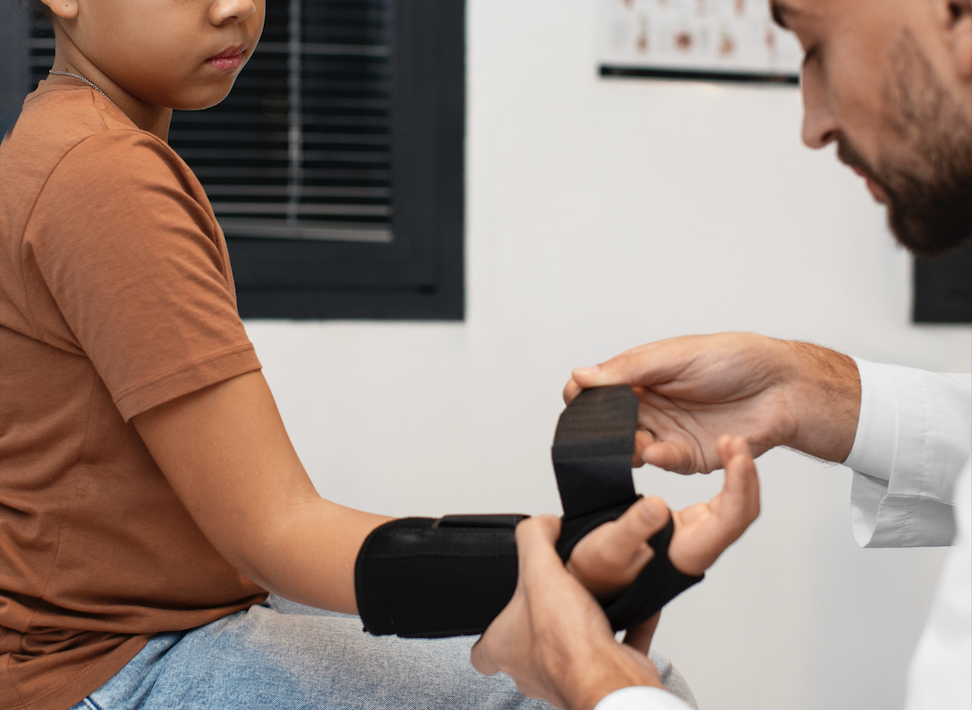
A wrist orthosis is a medical device designed to support, stabilize or immobilize the joint. It may be recommended in case of pain, loss of mobility or after trauma.
It is commonly used to support several musculoskeletal conditions:
- carpal tunnel syndrome;
- tendonitis;
- sprain;
- osteoarthritis;
- post-surgery recovery.
Depending on the patient’s needs, the orthosis can serve several purposes. It can immobilize the wrist, limit certain movements or support the joint during recovery.
The choice of a wrist orthosis must be adapted to the patient’s morphology and use case. This is where a 3D wrist scan can bring real value, by supporting more accurate digital measurement.
Why wear a wrist orthosis?
A wrist orthosis can be worn to relieve pain, stabilize the joint or support recovery. It limits certain movements to protect sensitive areas.
It can help to:
- reduce pressure on the wrist;
- prevent a musculoskeletal disorder from worsening;
- support the joint after trauma;
- support healing after surgery;
- maintain daily activities with less pain.
To be effective, the orthosis must be adapted to the patient. Accurate measurement helps improve fit, comfort and support.
What is the difference between an orthosis and a splint?
The terms orthosis and splint are often used as synonyms. However, their use can differ depending on the medical context.
An orthosis is generally designed to support, stabilize or correct a joint function. It may be worn over a longer period and precisely adapted to the patient.
A splint is often used more temporarily. It is mainly used to immobilize the wrist after trauma, acute pain or during a recovery phase.
In both cases, fit remains essential. Reliable measurement helps reduce pressure points and improve the comfort of the device.
Using mobile 3D scanning to create a wrist orthosis
Mobile 3D scanning simplifies the creation of custom rigid orthoses. It makes it possible to capture wrist morphology from a smartphone, without plaster casting or complex manual measurement.
This technology helps professionals obtain:
- a precise capture of the patient’s anatomy;
- a usable 3D model for design;
- more reliable digital measurements;
- a better fit for the device;
- a faster workflow, from capture to manufacturing.
A 3D wrist scan therefore helps prepare digital modeling more effectively. It can also be used on other areas, such as the hand, depending on the type of orthosis to be designed.
Usable data to design the orthosis
After a 3D wrist scan, the professional obtains a 3D model of the wrist. This model can support measurement, modeling and the design of the wrist orthosis.
It can be used to:
- visualize wrist morphology;
- extract digital measurements;
- prepare CAD work;
- integrate data into an orthotics workflow;
- keep a digital history for future adjustments.
Mobile 3D scanning does not replace the expertise of the healthcare professional. It provides a more reliable and easier-to-use basis to design a device adapted to the patient.
Create a wrist orthosis in 3 steps
Step 1: scan the wrist
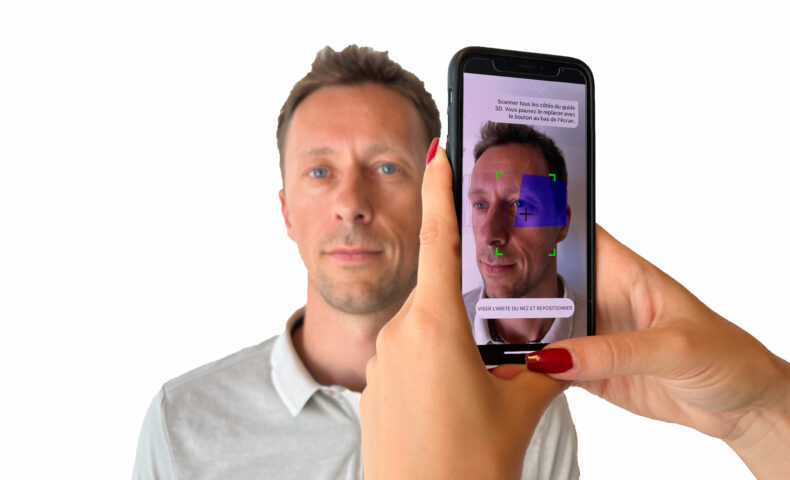
The first step is to scan the wrist with a smartphone equipped with a MyFit Solutions tool.
The capture is quick and guided. The professional follows the on-screen instructions to capture wrist morphology from several angles.
No additional equipment is required. A 3D wrist scan can be performed in clinic, at home or in the field, with a simple smartphone.
Step 2: access the 3D model
Once the scan is complete, the 3D model is available in the web platform associated with the mobile app.
This model is accurate, to scale and usable by professionals. It can also be connected to design tools or CAD software.
Step 3: manufacture the orthosis
The 3D model obtained through mobile 3D scanning can then be used to design the wrist orthosis.
In CAD software, the professional can adjust:
– shape and dimensions;
– thickness and rigidity;
– reinforcement areas;
– openings that improve comfort.The orthosis can then be 3D printed or machined using a suitable material. This process helps improve precision, reduce errors and make adjustments easier.
Manual measurement or mobile 3D scanning: what’s the impact on wrist orthosis design?
| Criteria | Molding / manual measurement | MyFit mobile 3D scanning |
| Required equipment | Plaster, tape measure | None, just the smartphone camera |
| Patient comfort | Prolonged physical contact | No molding, fast |
| CAD integration | Requires additional digitization | Direct, .stl/.obj formats |
| Digital archiving | Limited | 3D model stored for future adjustments |
| Remote capability | No | Possible |
The benefits of mobile 3D scanning for wrist orthoses
Mobile 3D scanning offers several benefits for the design of wrist orthoses. It simplifies measurement while improving the accuracy of the data used.
Its main benefits include:
- precision: accurate capture of wrist morphology;
- time savings: fewer manual steps;
- accessibility: scans can be performed in clinic, at home or in the field;
- comfort: better adaptation of the orthosis to the patient;
- digital archiving: storage of the 3D model for future adjustments.
Thanks to the 3D wrist scan, orthosis design becomes faster, more reliable and easier to integrate into healthcare professionals’ workflows.
FAQ
No, it provides a more reliable basis for measurement and design, but prescription and fitting remain the professional’s responsibility.
An orthosis is generally worn over a longer period and precisely adapted to the patient, while a splint is used more temporarily, for immobilization after trauma.
No. MyFit mobile photogrammetry works with the standard camera on an iOS- or Android-compatible smartphone.
3D models are available in .stl and .obj formats, directly usable in CAD software.