In short
A custom rigid brace stabilizes or immobilizes a joint, unlike a soft brace which maintains freedom of movement. MyFit mobile 3D scanning captures the target area (wrist, ankle, knee) directly from a smartphone, using MyFit mobile photogrammetry, to obtain a usable 3D model and make CAD-based device design more reliable.
A custom rigid brace helps stabilize or immobilize a joint. It can also support a body area during rehabilitation, posture correction or the treatment of joint conditions.
For professionals, precision is essential. The device must be well-fitted, comfortable, and suited to the patient’s morphology.
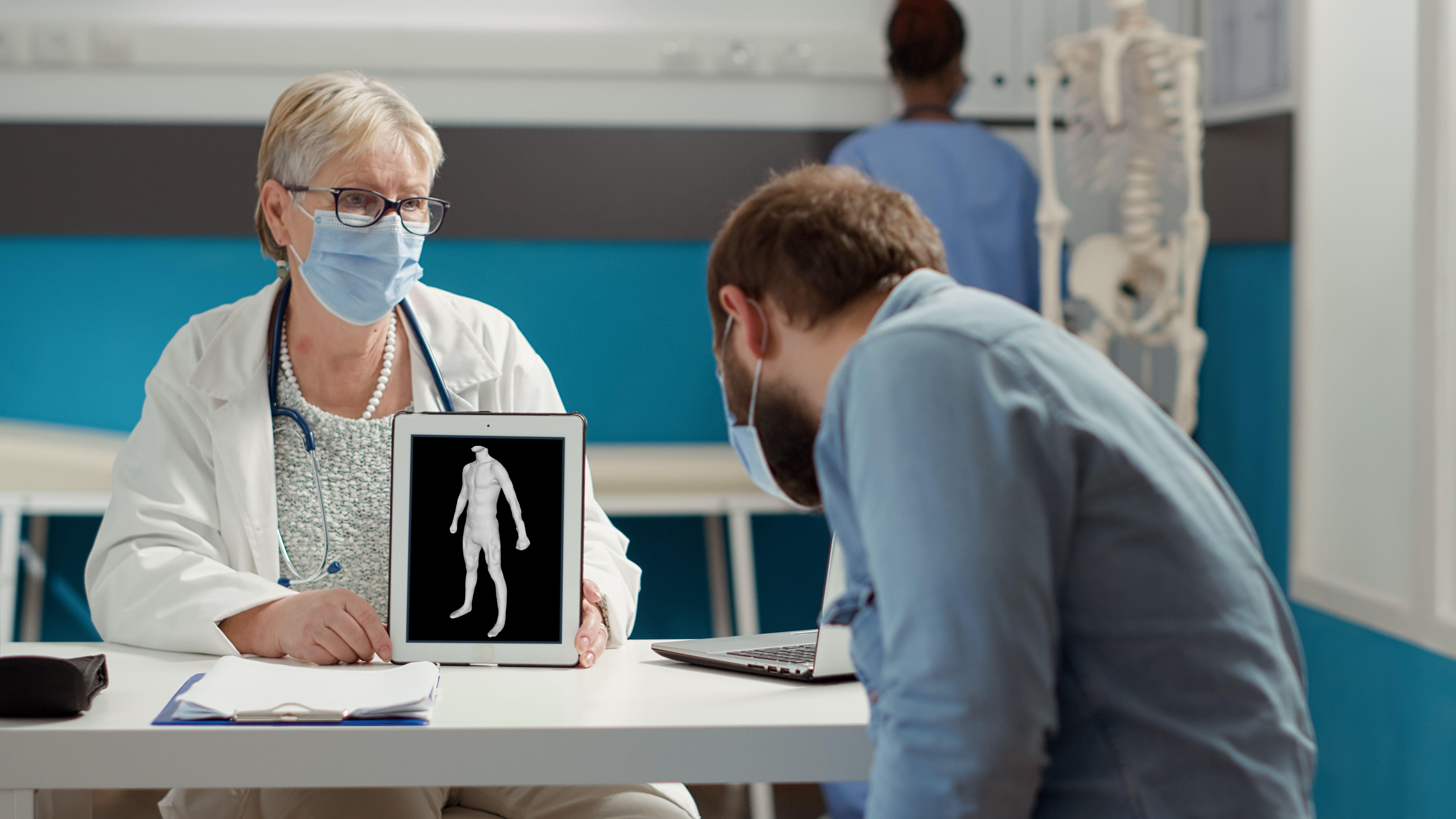
With mobile 3D scanning, measurement becomes easier. From a smartphone, it is possible to capture a body area and obtain a usable 3D model.
This data can then help design, adjust or recommend a more suitable rigid brace. It also makes integration into professional workflows easier, especially into CAD tools.
In this article, discover how MyFit Solutions helps professionals design custom rigid braces using mobile 3D scanning.
What is a rigid orthosis?
A support device designed to immobilize or correct
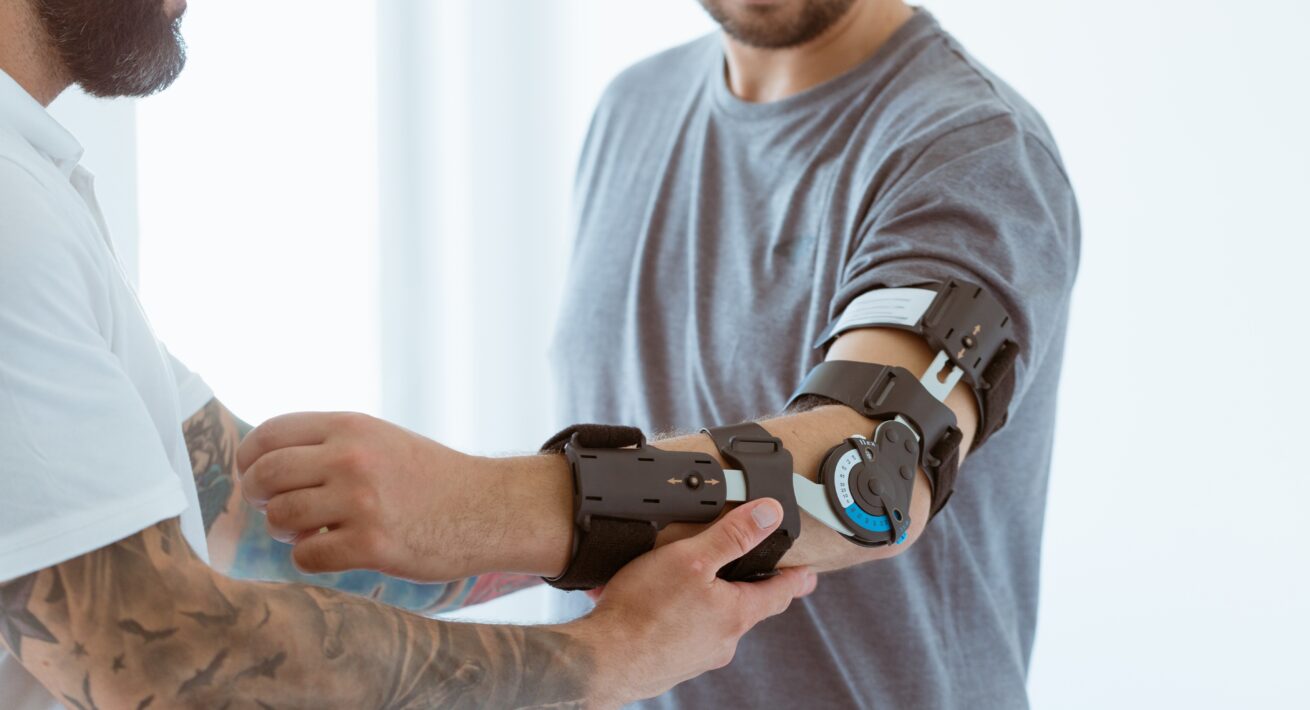
A rigid orthosis is a medical device. It helps immobilize, correct or support a joint, limb or body area.
It is often used in orthotics for rehabilitation, the treatment of joint conditions or posture correction. Unlike a soft brace, it strongly limits movement.
To provide this level of support, a rigid orthosis generally uses more durable materials. Thermoplastics, carbon fiber or certain composite materials can provide more stable immobilization.
Rigid orthoses can be used on several body areas:
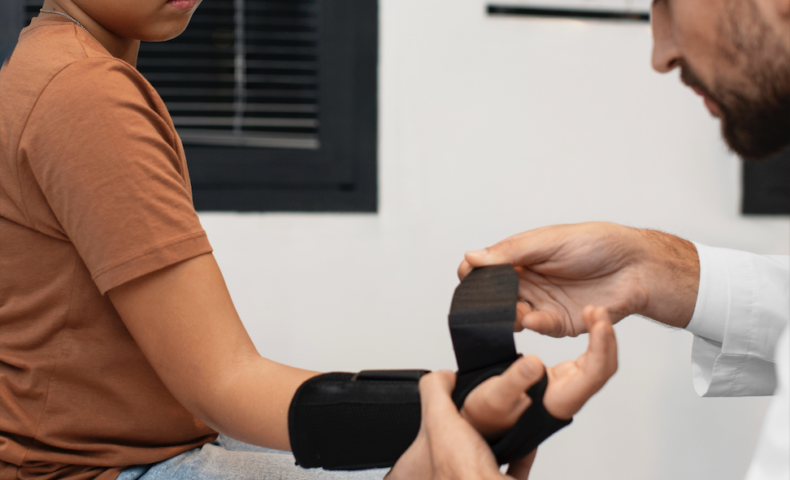
- wrist orthosis: to stabilize the wrist after a fracture, severe tendinitis or joint condition;
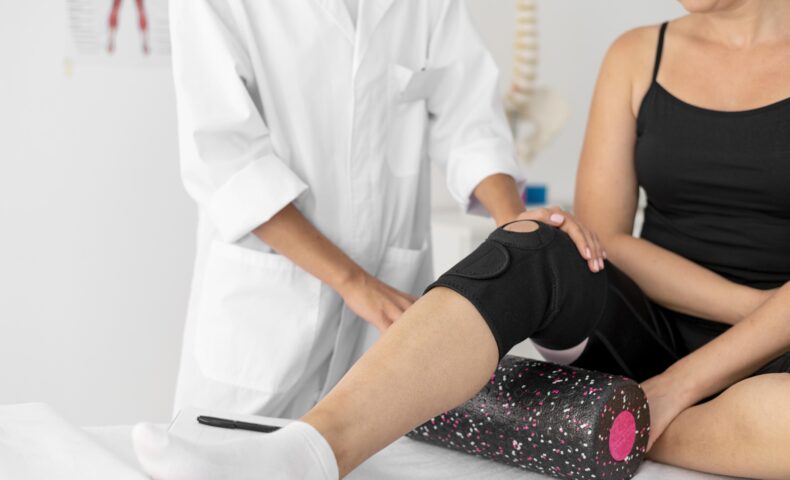
- knee orthosis: to support certain ligament conditions or needs for reinforced support;
- ankle-foot orthosis (AFO): to support the ankle, limit certain movements or protect against twisting;
- knee-ankle-foot orthosis (KAFO): to support a wider area, from the knee to the ankle, depending on the patient’s needs.
When should a rigid orthosis be worn?
A rigid orthosis may be recommended in several medical situations. Its use always depends on the diagnosis, prescription and level of support required.
It can be used to support certain joint conditions. In this case, it helps limit painful movements and protect the weakened area.
It can also be used after trauma. After a fracture, severe sprain or dislocation, a rigid orthosis can help immobilize the affected joint during recovery.
Finally, it can support rehabilitation or posture correction. It then provides targeted and prolonged support when the situation requires more stability than a soft brace.
What is the difference between a rigid orthosis and a splint?
The terms “orthosis” and “splint” are sometimes confused. However, they do not always refer to the same use.
A splint is often used temporarily. It may be used after trauma, a sprain, a fracture or surgery.
A rigid orthosis is generally designed for more precise and prolonged support. It can be custom-made or adapted to the patient’s specific needs.
In both cases, the choice of device depends on the medical need, the level of immobilization required and the patient’s morphology.
Rigid orthosis or soft brace: what’s the difference?
| Criteria | Rigid orthosis | Soft brace |
| Level of support | Strong immobilization | Support with freedom of movement |
| Materials | Thermoplastic, carbon fiber, composites | Soft materials, neoprene |
| Typical use case | Fracture, post-traumatic immobilization | Mild sprain, osteoarthritis, rehabilitation |
| Wear | Often temporary or targeted | Can be worn daily |
| Mobile 3D scanning contribution | Precise 3D model for CAD | Digital measurements for fit |
Creating a custom rigid brace in 3 steps
Mobile 3D scanning can support the design of a custom rigid brace. It makes it possible to capture a body area, obtain a usable 3D model and transfer the data to design tools.
Step 1: scan the target body area
The process starts with a mobile 3D scan of the area to be fitted: wrist, ankle, leg, knee or another body area.
Using MyFit mobile photogrammetry, the professional can obtain a precise representation of the patient’s morphology, with no dedicated 3D scanner or specialized hardware.
Step 2: obtain a usable 3D model
Once the scan is completed, the data is transferred to the MyFit Solutions web platform. It is then automatically post-processed.
The professional obtains a 3D model generated to scale, combined with usable digital measurements to prepare the design or adjustment of the rigid orthosis.
Step 3: adapt or prepare the rigid brace
The 3D data can then help recommend a standard size, adjust an existing product or prepare a custom rigid brace.
It can also be integrated into CAD tools to make the workflow smoother before the device is manufactured.
Why make rigid orthosis measurement more reliable?
For a rigid orthosis, fit is essential. The device must immobilize or support the target area without creating unnecessary discomfort.
An inaccurate measurement can complicate the design process. It can also lead to poor fit, adjustments or wasted time in the orthotics workflow.
With mobile 3D scanning, professionals can rely on more reliable morphological data. They obtain a precise representation of the area to be fitted, directly from a smartphone.
This approach also helps standardize measurement. For manufacturers, practitioner networks or multi-site teams, this is an important advantage.
Each professional can follow the same capture process. The data is then centralized, usable and easier to integrate into professional tools.
The benefits of 3D scanning for designing a custom rigid brace
Mobile 3D scanning makes it easier to design a custom rigid brace. It helps capture the patient’s morphology, obtain a usable 3D model and work from more reliable data.
This approach helps professionals save time, reduce measurement errors, and make their orthotics workflow smoother.
Precision
Mobile 3D scanning makes it possible to capture a body area with a high level of detail. Professionals obtain a faithful representation of the patient’s morphology.
This precision is essential to prepare a well-fitted rigid brace. It helps take into account the patient’s anatomy, volumes and specific needs.
Mobility and time savings
Unlike methods that require bulky equipment, the scan is performed from a smartphone. The professional can take measurements in clinic, in the field, or remotely.
This mobility simplifies organization. It can also reduce the time needed to capture and transmit data.
Digitized workflow
Mobile 3D scanning can be easily integrated into existing workflows. The captured data can be visualized, downloaded, or integrated into professional tools such as CAD software.
Professionals can then work from a reliable digital foundation. They reduce discrepancies linked to manual measurements and simplify rigid brace preparation.
Simplified deployment
The MyFit Solutions solution is compatible with iOS and Android smartphones. It does not require a dedicated 3D scanner or specialized hardware.
This accessibility makes deployment easier across several teams, clinics, or sites. It also helps standardize measurement for the design of custom rigid braces.
With mobile 3D scanning, professionals can improve precision, simplify their processes and better adapt their devices to patient morphology.
For manufacturers and practitioner networks, this approach also makes it easier to deploy a more consistent workflow. The data is more reliable, better structured and easier to use for the design of custom rigid braces.
FAQ
A rigid orthosis strongly immobilizes the joint, while a soft brace maintains a certain freedom of movement.
An ankle-foot orthosis (AFO) supports the ankle and foot. A knee-ankle-foot orthosis (KAFO) covers a wider area, from the knee to the ankle.
No. MyFit mobile photogrammetry works with the standard camera on an iOS- or Android-compatible smartphone.
No, it makes measurement easier once the orthosis has been prescribed, but diagnosis and prescription remain the healthcare professional’s responsibility.